A Client Contact Changed Jobs. What Should Your Law Firm Do Next?
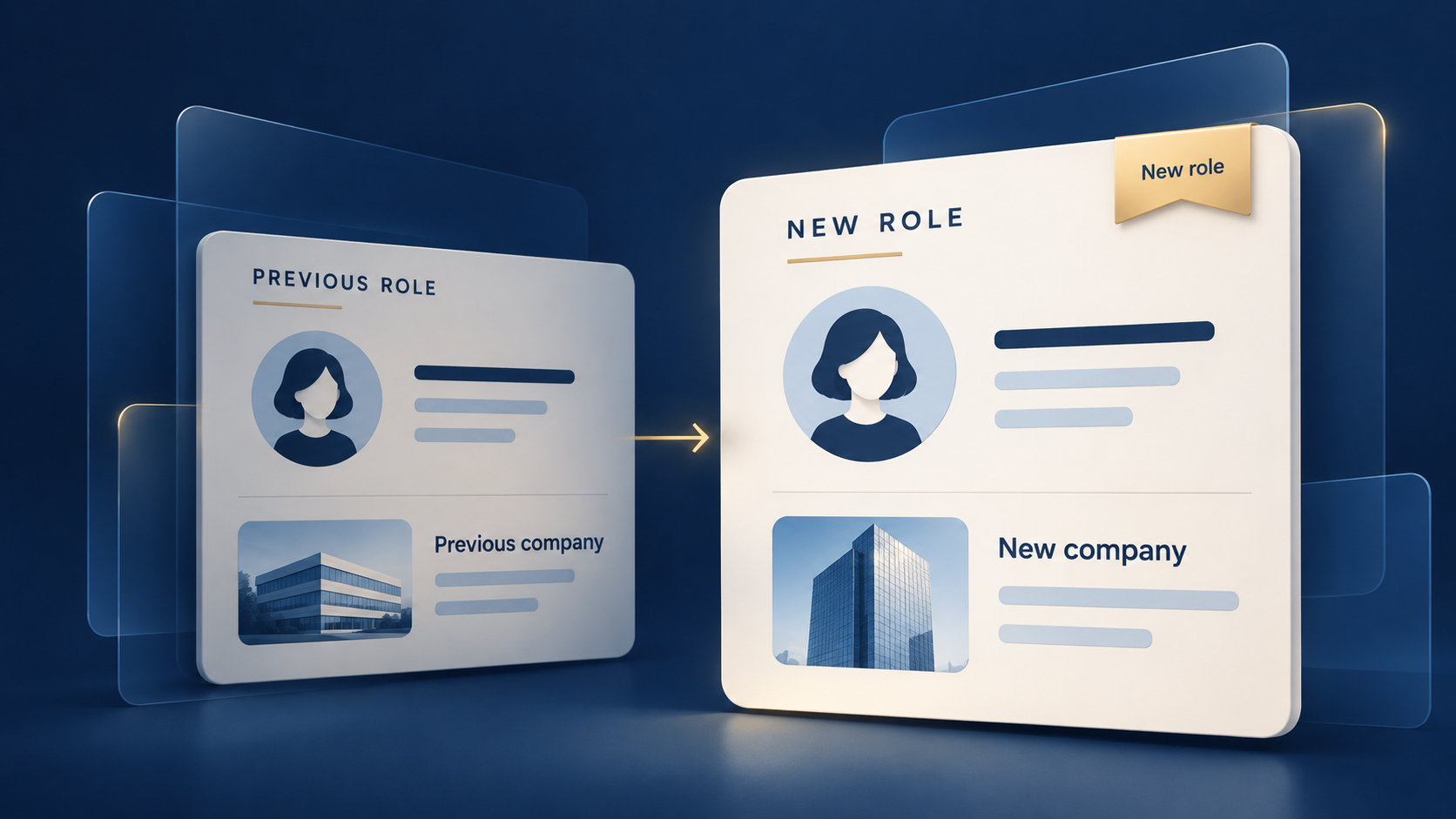
A lawyer sees that a former client contact has joined another company as general counsel. They send a congratulatory message, receive a warm reply and suggest catching up once the person settles in. A few months pass, and neither follows up.
The relationship is still there, but the lawyer knows little about the contact’s new responsibilities or the business they’ve joined. Meanwhile, that person is getting to know their colleagues, assessing outside counsel and deciding where to spend their attention.
For law firms, a contact’s move is a good reason to revisit the relationship. The most helpful response starts with understanding what has changed for that person and how the firm’s experience might be relevant in their new role.
Research the New Company Before Reaching Out
Knowing someone well doesn’t necessarily mean knowing the business they’ve joined. A lawyer who worked with a contact at a domestic services company may now be speaking with them about an international manufacturer. The relationship provides a foundation, but the business context needs updating.
Review the company’s operations, ownership, leadership and recent announcements. Look for developments that help explain what the new role might involve, such as an acquisition, geographic expansion, a funding round or a change in strategy. Where information is limited, record what remains unknown so the lawyer can explore it in conversation.
The research should help answer a few practical questions:
- What does the company do, and where does it operate?
- Who owns or invests in the business?
- What has the company announced recently?
- What responsibilities has the contact taken on?
- Does the firm already have relationships with the company or its leadership?
Separate verified information from possible implications. An acquisition announcement may suggest integration work, but it doesn’t establish that the new general counsel needs help with it. That distinction should carry through to the outreach.
Check What Your Firm Already Knows
Before approaching the contact, find out whether other lawyers at the firm have worked with the new company. Someone may have handled a matter, participated in a pitch or maintained a relationship with another member of its legal team.
A short internal check can prevent duplicate outreach and improve the conversation. The relationship lawyer might learn that the firm recently advised a subsidiary, that another partner knows the CFO or that a proposal is already under discussion. That information can affect who reaches out and what they say.
Business development teams can help bring this context together. A brief summary of existing relationships, relevant experience and recent activity gives the lawyer a more complete picture without requiring several separate conversations.
Keep the First Message Personal
The first message should reflect the relationship. Someone who has worked closely with the lawyer for years should hear from them in language that feels familiar. A distant contact may need a brief reminder of how they know each other.
A short congratulatory note is often appropriate, particularly when the appointment has just been announced. There’s no need to fit the firm’s capabilities into that message. If the relationship supports it, the lawyer can offer to reconnect after the person has had time to settle in.
For example:
“Congratulations on the new role. I really enjoyed working with you at your previous company and would love to hear more about what you’ll be doing. Once you’ve had a chance to settle in, let’s find time to catch up.”
If the contact responds, agree on a time to follow up and record it. “Let’s reconnect soon” is easy to lose between busy schedules.
Use the Conversation to Understand the New Role
A contact’s responsibilities may have changed substantially. They could now manage a larger team, oversee unfamiliar jurisdictions or cover areas previously handled by colleagues. They may also have inherited established outside counsel relationships that are working well.
The conversation should give them room to explain what they’re learning and where they’re spending their time. Questions about the business, their team and immediate priorities can be more helpful than a review of the firm’s services.
Depending on the relationship and role, questions might include:
- How is the new role different from your previous position?
- What are you spending the most time getting familiar with?
- How is the legal team organized?
- Which business initiatives are requiring the most attention?
- Are there areas where an introduction or a practical resource would help?
Listen for what the person actually says. If they mention an issue the firm can help address, ask whether they’d welcome a follow-up. If their immediate priority is hiring or learning the business, a relevant introduction may be more valuable than a discussion about a matter.
Connect the Firm’s Experience to the New Business
The contact may know the firm through a narrow part of its work. A lawyer who advised them on employment issues at one company may belong to a firm with regulatory or transactional experience relevant to the new business. The contact may have no reason to know that.
Introduce additional capabilities when they connect to something discussed. For example, if the contact mentions plans to open operations in another state, the lawyer could offer an introduction to a colleague with relevant experience. Explain why that person might be helpful and let the contact decide whether to proceed.
Keep the introduction focused. A short explanation of the colleague’s experience and its relevance to the issue is easier to assess than a broad practice description or a collection of biographies.
Follow Through on the Specific Offer
After the conversation, send what was promised. That might be an introduction, a relevant article, an example of comparable experience or a response to a question. Refer back to the discussion so the contact can see why the material is relevant.
Record the next step internally, including who is responsible and any agreed timing. A note that says “good conversation” won’t help the team remember that the contact asked for an introduction or wanted to revisit an issue in two months.
Keep the company information current as well. Later developments may provide a reason to reconnect, particularly when they relate to a priority the contact shared. A follow-up that remembers the earlier conversation demonstrates attention to the person and their work.
Maintain the Relationship With the Previous Company
When a contact leaves, the firm also needs to understand what that means for its relationship with the previous organization. Open matters, reporting responsibilities and communication arrangements may need attention.
Identify who is taking over the contact’s responsibilities and coordinate any introductions or transitions through the appropriate relationship lawyer. The departing contact may be able to help, but that shouldn’t be assumed or made a condition of supporting them in their new role.
Treat the two relationships separately. Information about the previous company’s matters should remain within the appropriate boundaries, and the former contact shouldn’t be expected to discuss their previous employer’s confidential plans or decisions.
Make Contact Moves Part of the BD Routine
A firm can handle these developments more consistently by reviewing role changes among a focused group of clients, former clients and priority contacts. The review should establish whether the information is accurate, who owns the relationship and whether any action would be appropriate.
A practical record can include the contact’s new role, the company they’ve joined, the relationship lawyer, relevant company developments and the next agreed action. The purpose is to help people follow through on relationships they already value.
Company research can support this work. Gatsby Intel helps lawyers and business development teams understand the organization a contact has joined, while Gatsby Aware helps them stay informed about developments at priority companies. The firm’s own relationship history adds the context needed to decide when and how to reconnect.
A job change is an opportunity to learn how someone’s working life has changed. Firms that research the new business, listen carefully and follow through on specific offers of help give the relationship room to develop in a new setting.
Learn more about Gatsby Intel and Gatsby Aware at trygatsby.ai.