How Law Firms Can Build a Smarter Private Equity Business Development Strategy
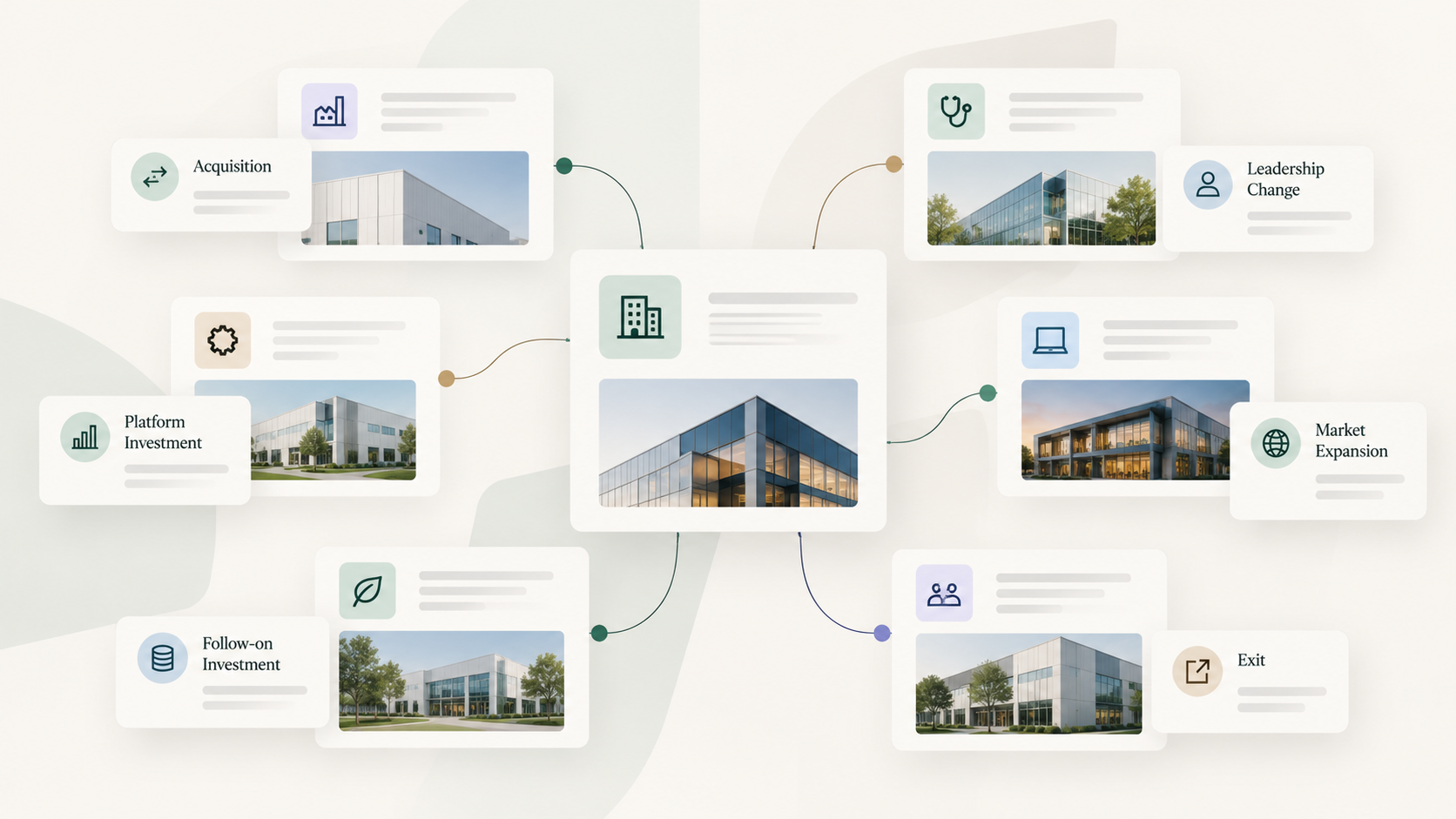
Private equity is an important growth opportunity for law firms, but developing relationships with sponsors requires a different approach from traditional corporate business development. Private equity firms operate across multiple investments, portfolio companies, industries and professional networks, creating opportunities for legal work that extend well beyond an individual transaction.
A sponsor relationship may begin with an acquisition, fund formation matter or introduction from an investment banker. Over time, that relationship can lead to work involving additional transactions, financing, tax, employment, regulatory matters, disputes and portfolio company operations. The challenge for law firms is understanding where those opportunities exist, which relationships matter and how to approach sponsors with information that's relevant to their investment priorities.
Many firms pursue private equity clients through conferences, networking, targeted pitches and individual partner relationships. Those activities remain valuable, but they become more effective when supported by research into the sponsor's investment strategy, portfolio companies, transaction activity and professional network. A more informed approach helps lawyers prioritize their efforts and develop conversations that reflect how private equity firms actually operate.
Understand the Sponsor Before Pursuing the Relationship
Private equity firms vary significantly in their investment strategies, transaction sizes, industry preferences and approaches to portfolio company management. Some focus on control investments in established middle-market businesses, while others pursue growth equity investments, minority positions or sector-specific strategies. A sponsor investing in healthcare services may have very different legal needs from one focused on industrial manufacturing or enterprise software.
Before pursuing a sponsor, law firms should develop a clear picture of its investment criteria, fund strategies, geographic focus, portfolio composition and recent transaction activity. They should also understand whether the sponsor typically uses a concentrated group of outside advisers or engages different firms depending on the transaction, industry or legal issue.
This research can help determine whether the sponsor is a realistic target for the firm. A law firm with strong experience advising healthcare services businesses, for example, may have a more compelling reason to approach a sponsor actively investing in physician practice management, pharmaceutical services or healthcare technology than a sponsor focused exclusively on consumer products.
The research should also inform the conversation. Instead of introducing the firm's capabilities broadly, lawyers can discuss developments affecting the sponsor's target industries, identify relevant experience and demonstrate familiarity with the types of investments the sponsor pursues.
Look Beyond the Sponsor to Its Portfolio Companies
One of the most valuable aspects of private equity business development is the opportunity to build relationships across a sponsor's portfolio. Each portfolio company operates as a business with its own leadership team, strategic priorities, operational challenges and potential legal needs.
A sponsor may own companies across healthcare, technology, manufacturing and business services. Some portfolio companies may be pursuing acquisitions, while others are expanding internationally, launching products, restructuring operations or preparing for an eventual sale. These activities can create opportunities for lawyers across multiple practices.
Consider a private equity sponsor with several healthcare services investments. One portfolio company may be expanding through acquisitions, another may be navigating regulatory changes and a third may be preparing for a sale process. A firm that understands these businesses individually can identify where its capabilities may be relevant and coordinate outreach with the sponsor relationship partner.
This requires an organized view of the sponsor's portfolio, including company leadership, acquisition history, geographic footprint, business developments and existing relationships with the law firm. It also requires coordination among lawyers who may already represent individual portfolio companies or have relationships with their executives.
Portfolio company intelligence can help law firms identify opportunities that might otherwise be missed when business development efforts focus exclusively on the sponsor's investment professionals.
Pay Attention to the Investment Lifecycle
Private equity investments typically move through several stages, from initial acquisition and ownership through operational development and eventual exit. Each stage creates different business priorities and potential legal needs.
During the acquisition process, sponsors may require support involving transaction structuring, financing, tax, regulatory approvals and due diligence. Following an acquisition, attention may shift toward management incentives, employment matters, commercial contracts, governance and integration. As portfolio companies grow, they may pursue additional acquisitions, enter new markets or address regulatory and operational challenges. When the sponsor begins preparing for an exit, legal needs may involve restructuring, transaction readiness, diligence preparation and the eventual sale.
Understanding where a portfolio company sits within this lifecycle helps lawyers identify relevant topics for discussion. For example, a business acquired several years ago may be evaluating strategic alternatives, but the length of ownership alone doesn't establish that a sale is imminent. The firm's research should consider additional factors such as recent leadership appointments, acquisitions, operational developments and market conditions.
Lawyers who understand these dynamics can approach sponsors with more informed questions about their priorities and identify opportunities to provide assistance throughout the investment period.
Map the Relationships That Influence Legal Work
Private equity business development is highly relationship-driven. Investment professionals, operating partners, portfolio company executives, investment bankers, lenders, consultants and other advisers all participate in the broader sponsor ecosystem. Understanding these relationships can help law firms identify potential introductions and develop a more coordinated approach to client development.
A firm may already represent a portfolio company, have a longstanding relationship with an investment banker who advises the sponsor or know an executive who recently joined one of its businesses. Those connections can provide valuable context when determining how to approach a prospective client.
Relationship mapping should extend beyond identifying who knows whom. Firms should consider the strength of existing relationships, the history of previous engagements and the individuals responsible for maintaining contact. A partner who knows a sponsor's operating professional may have a different opportunity for engagement than a colleague who previously advised the sponsor on a transaction.
This information is often distributed across CRM records, matter histories, email communications and individual lawyers' knowledge. Bringing it together can help business development teams identify the most appropriate relationship owners and coordinate outreach without duplicating efforts.
Use Sector Knowledge to Differentiate the Firm
Private equity sponsors frequently value advisers who understand the industries in which they invest. Transaction experience matters, but familiarity with a sector's business models, competitive pressures, regulatory environment and growth opportunities can make a law firm more relevant to the sponsor's broader investment strategy.
A healthcare-focused sponsor, for example, may be interested in developments involving reimbursement, provider consolidation, healthcare technology and regulatory oversight. An industrial manufacturing investor may be focused on supply chains, tariffs, government contracts, aerospace and defense or international expansion. Technology investors may be evaluating issues involving artificial intelligence, cybersecurity, intellectual property and recurring revenue models.
Law firms can use this sector knowledge to develop targeted articles, client briefings, roundtables and other opportunities for engagement. A short analysis of a regulatory development affecting several portfolio companies may be more relevant to a sponsor than a general update about the firm's transactional capabilities.
Sector-focused business development also creates opportunities for collaboration among corporate lawyers and colleagues in regulatory, employment, litigation, intellectual property and other practices. When these teams coordinate around a sponsor's investment priorities, they can demonstrate a broader understanding of the sponsor's business.
Prioritize Sponsors Based on Fit and Opportunity
Not every private equity sponsor should receive the same level of attention. Firms have limited business development resources, and pursuing sponsors without a clear connection to the firm's strengths can lead to considerable activity without meaningful progress.
A more focused targeting process should consider the sponsor's industry concentration, investment size, geographic footprint, portfolio composition, transaction activity and existing relationships with the firm. It should also account for competitive factors, including whether the sponsor has established relationships with other law firms and whether there is a credible reason to introduce a new adviser.
For example, a middle-market sponsor with a growing healthcare services portfolio may be a strong target for a firm with healthcare regulatory and transactional capabilities. Another sponsor may be attractive because several of its portfolio companies operate in industries where the firm has significant experience. A third may warrant attention because a partner has an established relationship with one of its investment professionals.
The strongest targets generally combine a relevant business need, a credible relationship path and capabilities that align with the sponsor's investment strategy. Evaluating these factors can help firms decide where to invest time in research, relationship development and targeted outreach.
Make Conference and Event Outreach More Targeted
Private equity conferences, industry events and sponsor gatherings can provide valuable opportunities to develop relationships, but attending an event without a clear plan often produces limited results. Lawyers may meet numerous people, exchange contact information and have productive conversations without establishing a consistent process for following up.
Before an event, business development teams should identify priority sponsors and other relevant attendees, review their investment strategies and recent activity and determine whether the firm has existing connections. This preparation can help lawyers prioritize meetings and develop more relevant conversation topics.
For example, a lawyer attending a healthcare investment conference could identify sponsors with portfolio companies facing regulatory developments, pursuing acquisitions or expanding into new markets. The lawyer could then approach those conversations with a better understanding of the sponsor's business and the firm's relevant experience.
Following the event, the team should capture important information from meetings, assign responsibility for follow-up and identify appropriate next steps. These might include sharing a relevant article, arranging an introduction to a colleague or scheduling another conversation about a specific business issue. Maintaining this information helps turn conference participation into a continuing relationship development effort.
Coordinate Business Development Across Practices and Offices
Private equity clients often interact with multiple lawyers and practice groups, particularly when their portfolios include businesses operating across different industries and jurisdictions. Without coordination, individual lawyers may pursue opportunities independently, making it difficult for the firm to develop a comprehensive understanding of the sponsor relationship.
A coordinated approach begins with identifying the lawyers who have existing relationships with the sponsor and its portfolio companies. Business development teams can then help organize relevant intelligence, identify opportunities for collaboration and ensure that outreach reflects the firm's broader relationship strategy.
For example, a corporate partner may be the primary contact for a sponsor, while an employment partner advises one of its portfolio companies and a regulatory lawyer has relevant experience in another portfolio business's industry. Bringing these perspectives together can help the firm identify opportunities to support the sponsor across its investments.
Regular discussions about priority sponsors, portfolio developments and potential client needs can help lawyers share information and determine where additional expertise may be valuable. This also gives business development professionals an opportunity to track progress, coordinate next steps and support relationship partners with timely research.
How AI and Business Intelligence Can Support Private Equity Targeting
Private equity business development involves monitoring a substantial amount of information. Sponsors make acquisitions, sell businesses, raise funds, appoint executives and adjust investment strategies, while portfolio companies pursue their own growth initiatives and respond to industry developments. Keeping up with this activity manually can be challenging, particularly when a firm is tracking dozens or hundreds of organizations.
AI-supported business intelligence can help lawyers and business development professionals research sponsors, organize company information and stay informed about relevant developments. These capabilities can make it easier to prepare for meetings, evaluate prospective clients and recognize changes that may create opportunities for outreach.
For example, a business development professional preparing a sponsor briefing could use AI-supported research to gather information about investment criteria, portfolio companies and recent activity. A relationship partner could review developments involving an existing sponsor's portfolio before a client meeting. A practice group leader could examine activity among sponsors investing in a particular industry to help prioritize business development efforts.
These tools can support more informed decisions, but professional judgment remains essential. A portfolio company's acquisition history doesn't automatically indicate an upcoming exit, and a sponsor's investment in a particular sector doesn't guarantee that it will require additional outside counsel. Lawyers and business development teams still need to evaluate the information, consider existing relationships and determine whether outreach is appropriate.
How Gatsby Can Help Law Firms Develop Private Equity Relationships
Gatsby helps law firms use business intelligence to support prospect research, relationship development and more informed outreach. For firms pursuing private equity sponsors and portfolio companies, access to relevant company information can help business development teams understand investment strategies, prepare for meetings and identify developments that may warrant attention.
Gatsby Intel supports research into companies and prospects, helping lawyers and business development professionals gather information for targeting, meeting preparation and outreach. Gatsby Aware supports ongoing monitoring of developments involving important organizations and contacts, helping teams stay informed about activity that may be relevant to their business development priorities.
Together, these capabilities can support a more consistent approach to private equity client development. A firm could use company research to evaluate potential sponsor targets, prepare for conversations with investment professionals and better understand portfolio company businesses. Ongoing awareness of relevant developments can then help the team determine when there may be a reason to reconnect or introduce additional expertise.
The value of this intelligence comes from how it is used. Research can help identify a promising sponsor, but developing the relationship still depends on understanding the sponsor's priorities, identifying the appropriate contacts and providing relevant experience and insights.
Building Stronger Relationships Across the Private Equity Ecosystem
Private equity business development offers law firms opportunities to develop relationships that extend across multiple transactions, portfolio companies and practice areas. Taking advantage of those opportunities requires an understanding of how sponsors invest, how their businesses evolve and which relationships influence the selection of legal advisers.
Firms that research sponsors carefully, monitor portfolio developments, understand investment lifecycles and coordinate relationships across practices can approach private equity business development with greater focus. They can also make better use of conferences, thought leadership and existing client relationships by connecting those activities to specific business priorities.
Business intelligence can support this work by making relevant information easier to access and helping teams recognize developments that deserve attention. Combined with strong relationships and informed legal judgment, it can help law firms identify opportunities, initiate more meaningful conversations and build lasting relationships across the private equity ecosystem.
Learn how Gatsby can help your firm research private equity prospects, monitor company developments and support more informed business development decisions.